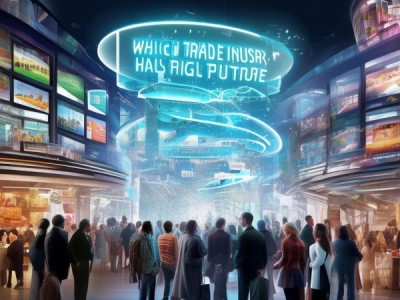
What Defines a Trade Trade Industry?**
In the ever-evolving world of commerce, the concept of a Trade Trade Industry stands out as a cornerstone of global trade. Whether it's the bustling streets of Shanghai or the bustling ports of New York, the Trade Trade Industry is at the heart of how businesses navigate the complexities of international trade. From the simple act of shipping goods from one country to another to the sophisticated management of logistics and supply chains, the Trade Trade Industry plays a pivotal role in shaping the future of global trade.
The Definition of a Trade Trade Industry
At its core, a Trade Trade Industry is a system that facilitates the exchange of goods, services, and information across borders. It encompasses a wide range of activities, from the efficient shipping of packages to the secure tranission of digital information. The Trade Trade Industry is characterized by its adaptability, innovation, and ability to adapt to changing global conditions. Here are some key features that define it:
-
Global Scale: The Trade Trade Industry operates on a global scale, enabling businesses to connect with customers and partners across international boundaries.
-
Digital Revolution: The rise of digital technology has revolutionized the Trade Trade Industry. From e-commerce platforms to blockchain-based supply chain management systems, the industry is increasingly reliant on technology to enhance efficiency and transparency.
-
Customer-Centric Approach: A customer-centric mindset is a defining feature of the Trade Trade Industry. Businesses prioritize the needs and requirements of their clients, ensuring that all transactions are processed oothly and effectively.
-
Compliance and Security: With the increasing sophistication of international trade, compliance with regulations and maintaining security is paramount. The Trade Trade Industry is constantly evolving to meet these demands.
-
Collaboration and Innovation: The Trade Trade Industry fosters collaboration between businesses and stakeholders across the globe. It encourages innovation through the sharing of ideas, best practices, and knowledge.
The Core Characteristics of a Trade Trade Industry
The Trade Trade Industry is characterized by its unique blend of adaptability, innovation, and customer-centricity. Here are some of its key characteristics:
-
Flexibility: The Trade Trade Industry is highly flexible, allowing businesses to adjust their operations to meet changing market demands and customer needs.
-
Innovation: Businesses in the Trade Trade Industry are often at the forefront of technological innovation, developing new methods for logistics, supply chain management, and customer service.
-
Customer-Centric Approach: The Trade Trade Industry places a strong emphasis on customer experience. From the moment a customer places an order to the point of delivery, the focus is on ensuring a seamless and satisfying experience.
-
Regulatory Compliance: To ensure the success of the Trade Trade Industry, businesses must adhere to a wide range of regulations and standards, including trade laws, data protection laws, and intellectual property rights.
-
Collaboration and Networking: The Trade Trade Industry is a hub for collaboration and networking. Businesses and stakeholders from around the world come together to share knowledge, develop new ideas, and accelerate progress.
History of the Trade Trade Industry: From Ancient Times to the Modern World
The history of the Trade Trade Industry is one of transformation and adaptation. Here are some key milestones in its history:
-
Ancient Times: The concept of trade began with the ancient civilizations of Egypt, Mesopotamia, and Africa. Early trade enabled the exchange of goods between distant lands, laying the foundation for a more globalized economy.
-
Medieval Period: During the medieval period, the Trade Trade Industry became more sophisticated as trade networks expanded and global connectivity increased. The introduction of the printing press and the development of banking systems facilitated the growth of the industry.
-
Modern Era: In the modern era, the Trade Trade Industry has grown exponentially. The rise of the internet, mobile communication, and digital technologies has transformed the way businesses operate, enabling faster and more efficient trade.
-
Globalization: The Trade Trade Industry has been a driving force of globalization. By connecting businesses across borders, it has facilitated the transfer of goods, services, and ideas, making it possible for consumers to access a wider range of products and services from around the world.
The Current Status of the Trade Trade Industry
The Trade Trade Industry is currently at a critical stage of transformation. As the world continues to evolve, the Industry is expected to play an even more significant role in shaping the future of global trade. Here are some key points to consider:
-
Digital Transformation: The rise of digital technology has transformed the Trade Trade Industry. From e-commerce platforms to blockchain-based supply chain management systems, the Industry is increasingly reliant on technology to enhance efficiency and transparency.
-
Globalization of Trade: The Trade Trade Industry is a global phenomenon, with businesses and stakeholders operating across the globe. This has created new opportunities for collaboration, innovation, and competition.
-
Consumer-Centric Approach: The Trade Trade Industry is increasingly focused on the needs and requirements of its consumers. Businesses are prioritizing the satisfaction of their clients, ensuring that all transactions are processed oothly and effectively.
-
Compliance and Security: With the increasing sophistication of international trade, compliance with regulations and maintaining security is paramount. The Trade Trade Industry is constantly evolving to meet these demands.
-
Collaboration and Networking: The Trade Trade Industry is a hub for collaboration and networking. Businesses and stakeholders from around the world come together to share knowledge, develop new ideas, and accelerate progress.
Future Trends of the Trade Trade Industry
Looking ahead, the Trade Trade Industry is expected to continue evolving and becoming more sophisticated. Here are some potential trends to watch:
-
Increased Digitalization: The Trade Trade Industry is likely to become more digital, with the adoption of more advanced technologies such as artificial intelligence, machine learning, and data ytics.
-
Globalization of Trade: The Industry will continue to expand its reach, with businesses operating across more regions and more complex supply chains.
-
Customer-Centric Innovation: As consumers become more mobile and connected, the Trade Trade Industry is likely to focus more on customer experience, ensuring that all transactions are processed oothly and efficiently.
-
Rise of Green Trade: With the increasing focus on sustainability, the Trade Trade Industry is likely to embrace more environmentally friendly practices, reducing its carbon footprint and promoting a greener future.
-
Globalization of Trade: The Industry will continue to play a key role in global trade, facilitating the transfer of goods, services, and ideas across borders.
Challenges to the Trade Trade Industry
While the Trade Trade Industry is a cornerstone of global trade, it is not without its challenges. Here are some of the key challenges:
-
Inequality in Trade: The Trade Trade Industry faces significant challenges due to inequality, particularly in regions with limited trade opportunities. This includes issues such as trade barriers,物流 costs, and supply chain disruptions.
-
Complexity and Redundancy: The Trade Trade Industry is often characterized by complexity and redundancy, with many transactions being redundant or inefficient. This can lead to delays, increased costs, and reduced transparency.
-
Consumer Expectations: With the increasing focus on consumer experience, the Trade Trade Industry is likely to face pressure from consumers to ensure that all transactions are processed oothly and efficiently.
-
Globalization of Trade: The Industry is likely to continue expanding its reach, but this will also raise new challenges, particularly in terms of managing global supply chains and ensuring the seamless transfer of goods and services.
-
Regulatory Compliance: Ensuring regulatory compliance is a challenge for businesses in the Trade Trade Industry, particularly in regions with complex regulations.
Conclusion
The Trade Trade Industry is a cornerstone of global trade, enabling businesses to connect with clients and partners across borders. From the simple act of shipping goods to the sophisticated management of logistics and supply chains, the Industry is constantly evolving to meet changing global conditions. As the world continues to transform, the Trade Trade Industry is expected to play an even more significant role in shaping the future of global trade.