Trade promotion is a critical component of global trade that plays a pivotal role in fostering economic growth and improving the efficiency of international trade. By leveraging market mechanis, legal frameworks, and economic policies, trade promotion ensures that countries and companies engage in mutually beneficial transactions, thereby enhancing trade relations and boosting economic prosperity.
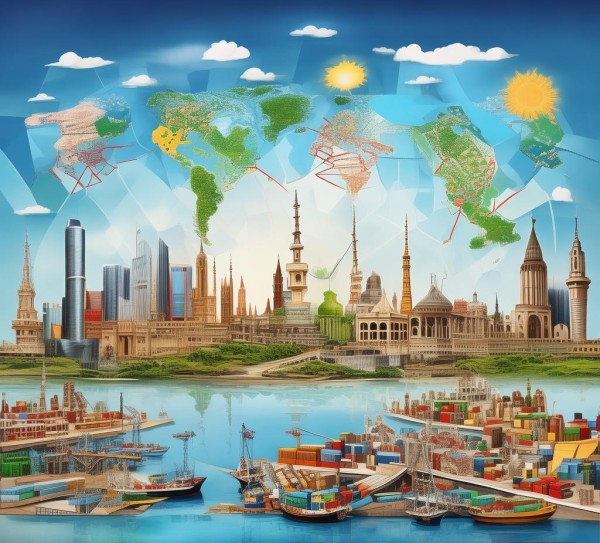
Trade promotion can be categorized into three main types: market mechanis, legal mechanis, and policy guidance. Each of these mechanis plays a unique role in shaping the nature and effectiveness of trade promotion.
-
Market Mechanis: These involve tools such as tariffs, import taxes, and export subsidies. Market mechanis encourage companies to source goods from countries with lower trade barriers, thereby promoting trade. For example, the World Trade Organization (WTO) has implemented tariffs on certain goods to encourage trade between countries with trade agreements.
-
Legal Mechanis: Legal frameworks, such as import permits and export restrictions, provide clear rules for businesses to operate within trade promotion policies. These legal tools help to standardize trade practices and ensure that companies comply with regulatory requirements, thereby enhancing market competition and trade efficiency.
-
Policy Guidance: Governments often use policy guidance to implement trade promotion measures that align with their specific economic conditions. For instance, the U.S. has implemented trade promotion policies to reduce trade barriers to China, facilitating economic cooperation between the two nations.
Trade promotion has a profound impact on global trade relations. It not only increases trade volumes but also improves trade costs and enhances trade quality. By promoting trade, countries can attract foreign investment, boost economic growth, and create jobs. Additionally, trade promotion fosters a more competitive and fair international trade environment, which is essential for sustained economic development.
However, trade promotion is not without its challenges. One of the limitations is that it may restrict innovation and economic growth by limiting companies' ability to innovate in response to trade promotion policies. Another challenge is that trade promotion can sometimes lead to market distortions and inefficiencies if not carefully designed.
Despite these challenges, trade promotion remains a vital tool for global trade. By addressing its limitations and optimizing its implementation, policymakers can maximize its benefits and ensure that trade promotion remains a cornerstone of global economic prosperity.
In conclusion, trade promotion is a powerful mechani for enhancing global trade relations, promoting economic growth, and improving the efficiency of international trade. As the global economy continues to evolve, effective trade promotion strategies will be essential for sustaining economic stability and fostering long-term prosperity.