In the bustling city of Beijing, transportation is a daily necessity for millions of people. However, with rapid urban development and the increasing volume of traffic, the efficiency and convenience of public transportation systems have become a major concern. In a world where time management and efficiency are more valuable than ever, the challenge lies in finding a solution that balances the need for modern infrastructure with the practical constraints of urban living.
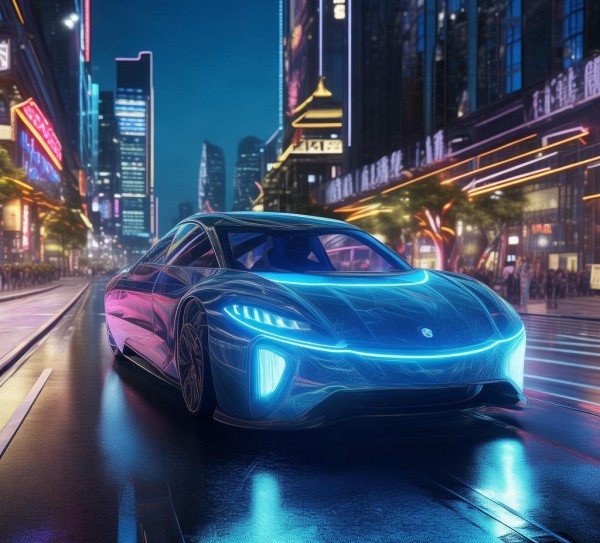
One of the most promising solutions to this problem is the concept of "driving in the city," which refers to the idea of replacing traditional public transportation with a highly efficient, private car-sharing system. This system would allow drivers to take the bus, train, or taxi to work, and then join the ride for a fee. The benefits of this approach would be numerous: drivers would no longer have to commute to work, reducing the strain on urban transportation networks; passengers would have access to a wide range of transportation options, including buses, trains, and taxis, at no cost; and the city would benefit from a more efficient and scalable public transportation system.
The development of private car-sharing services in Beijing is a step in the right direction, but the future of transportation in Beijing is yet to be fully realized. The Chinese government has already started to implement several initiatives to improve the efficiency of public transportation, such as the introduction of the "Shijiazhuang Yangtze" express train and the optimization of the Beijing metro network. However, these improvements are still limited compared to the potential benefits of driving in the city.
In order to realize the full potential of driving in the city, Beijing needs to accelerate the development of private car-sharing systems, improve the infrastructure of public transportation networks, and strengthen the coordination between public and private sectors. Only then can the benefits of this innovative transportation model be fully realized, and Beijing can become a model city for public transportation development.
In conclusion, driving in the city is not just a technological concept but a practical solution to a pressing problem in urban transportation. By leveraging the strengths of private car-sharing systems and public transportation networks, Beijing can create a more efficient and sustainable transportation environment for its citizens. As the Chinese government continues to push for the development of innovative transportation solutions, the future of transportation in Beijing may take an even more promising turn.